I. Working Principle of the Gummy Candy Production Line
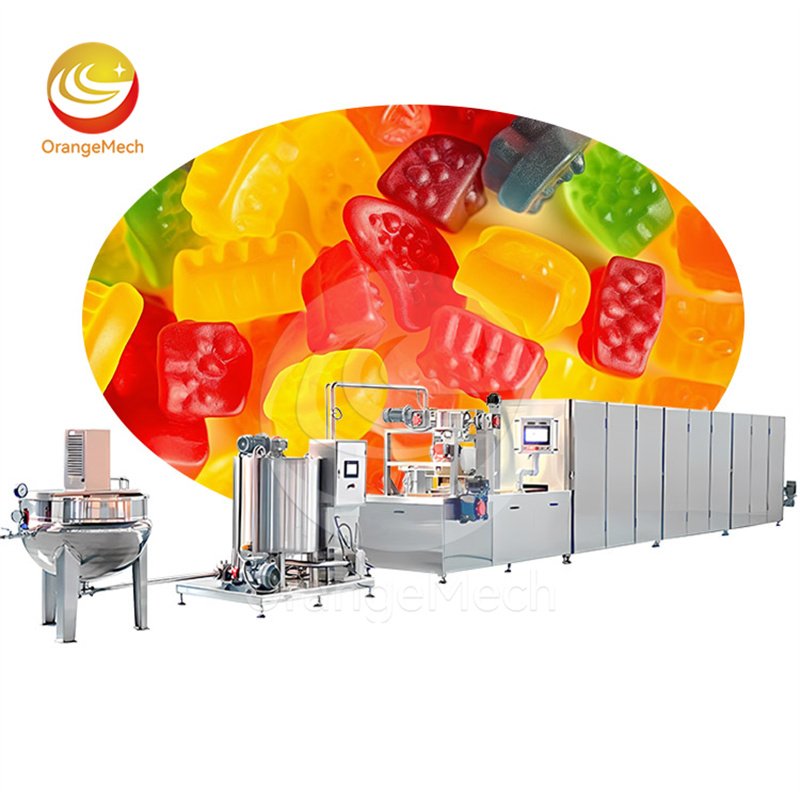
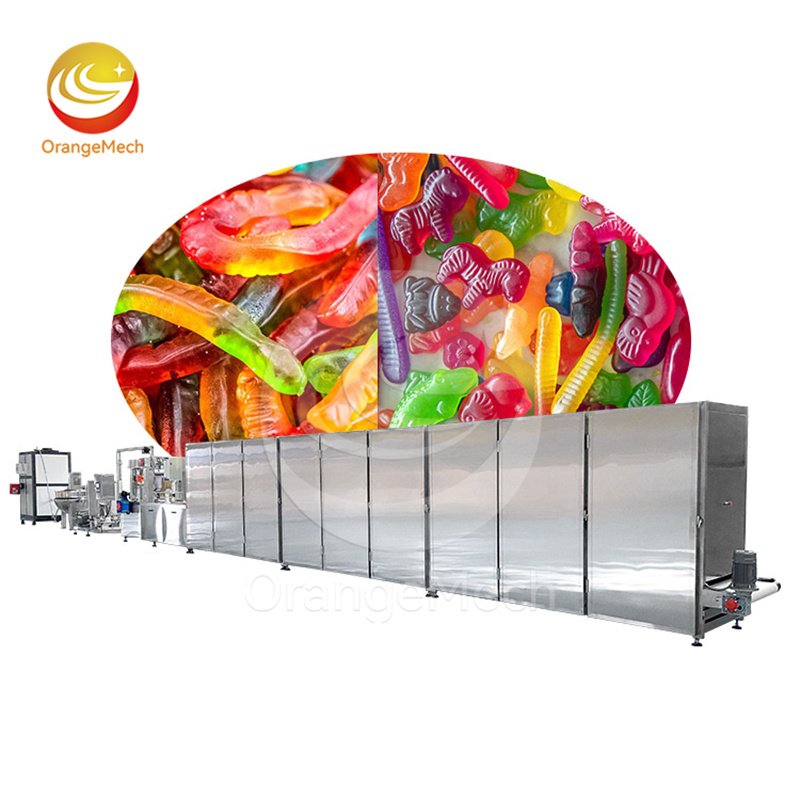
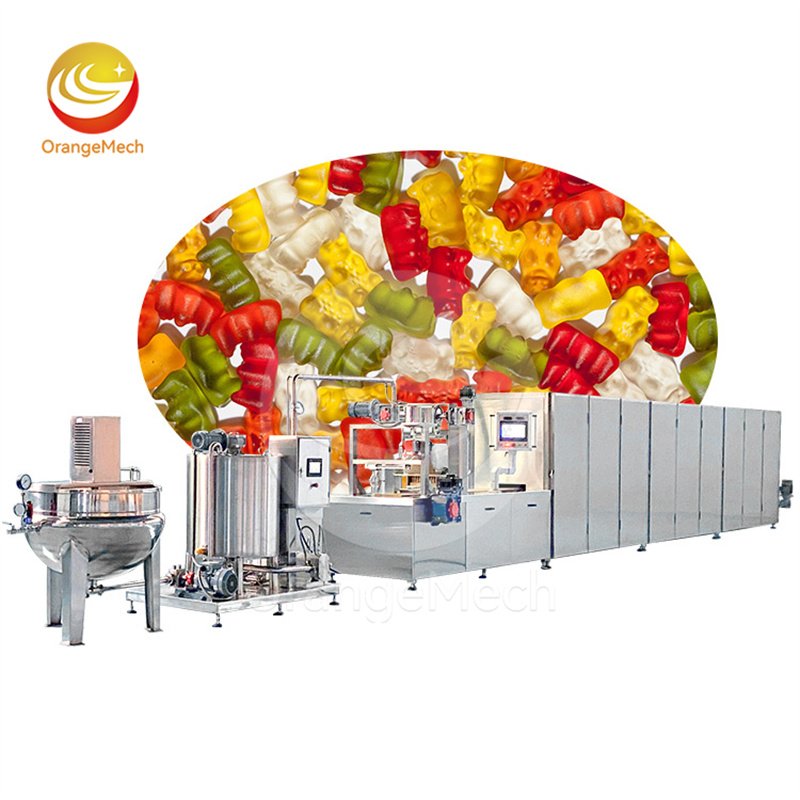
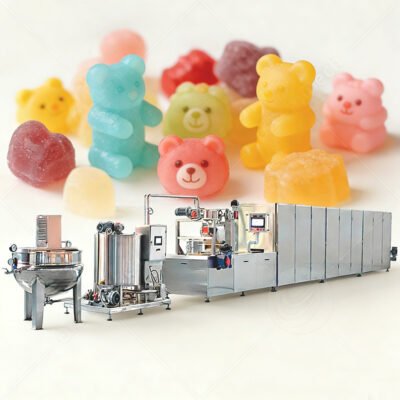
The gummy production line is a commonly used piece of equipment in the confectionery manufacturing industry. Typically, it processes raw materials, including water, granulated sugar, edible gum, flavors, and colors, through batching, cooking, depositing, cooling, solidifying, and finally demolding to produce finished gummy candies.
High-quality equipment requires professional installation. We are providing you with the following installation and maintenance support.
II. Installation Guide
1. Confirmation of Equipment Installation Site
The installation area is used for placing the gummy candy production line and making gummy candies. Make sure there is enough space for the equipment and for operators to move around safely.
For the public utilities: Ensure the power supply has sufficient capacity for all machinery. The water source should be located close to the cooking equipment. For the air supply, install connection points at regular intervals based on the layout of the pneumatic components on the production line. Drainage ditches should be arranged according to the equipment layout, especially near the concentrated cooking system area and waste discharge areas. They must allow smooth waste drainage and make equipment cleaning convenient.
2. Equipment Installation Sequence
Before installing the equipment, it is necessary to confirm which gummy production process the production line is configured for and how many pieces of equipment the production line consists of. Under normal conditions, a gummy candy production line comprises a cooking system, a depositing system, and a cooling system.
The cooking system includes a sugar cooking pot, a cooling tank, a vacuum degassing and filling unit, and storage tanks. These units can be arranged separately or fully integrated into one frame. The cooling system is composed of a cooling tunnel. Due to its continuous structure, large size, and heavy weight, it is not easy to move, so the cooking system is relatively easier to move and install compared with the depositing system and the cooling system. According to common equipment installation practices, components that are easier to install are usually installed last. Therefore, during the installation of the gummy candy production line, the depositing system and cooling system should be positioned and installed first (they are usually connected together). Installation proceeds from the rear to the front: first the cooling system, then the depositing system, and finally the cooking system.
Candy molds are installed after the cooling system and depositing system have been positioned and fixed. The candy molds are mounted on chains. First, the chains are fitted onto the corresponding sprockets from the rear to the front. Then the candy molds are installed on the chains. When installing the candy molds, a space equivalent to 3 to 5 molds should be left between every two molds. If the molds are too concentrated in one area, uneven force will be applied to the chains, which may even cause chain breakage in severe cases.
After the candy molds are installed, the next step is to install the conveyor belt of the cooling tunnel. Before installation, fully loosen the tension rollers. The installation is still carried out from the rear to the front. After installation, adjust the tension rollers to an appropriate tension level.
3. Pipeline Installation
The pipeline installation shall start from the depositing system and be fixed sequentially from back to front. It is required that the sealing rings and clamps at each connection between two pipes be firmly secured to prevent falling off or loosening.
4. Power connection
Before connecting the power supply, you need to calculate the power of the cooking system and the depositing & cooling system in the production line. Based on the total power, select the power cable with the appropriate cross-sectional area to make sure the cable does not overheat during normal operation. The power cable runs from the terminals in the equipment control box to the distribution box and should be routed through cable trays or conduits. Make sure the cable is laid out smoothly, without kinks, bunching up, or damage. Power cables and signal cables must be kept separate. They should not be placed in the same cable tray or the same conduit; otherwise, the power cables may cause interference to the signal cables.
5. Depositing System Alignment
Depositing system alignment is carried out after the entire production line has been fully installed. How well the depositing system is calibrated directly determines whether the line can be put into normal operation.
The candy depositing heads and the candy mold plate chain are the main components of the depositing system. Calibrating the depositing heads involves adjusting the pouring volume of the raw material solution. Before formal production, you can fill the depositing head hopper with water or ordinary syrup and adjust the pouring volume by setting the stroke of the depositing heads. When the output meets or approaches the product requirements, record the parameters on the control panel or the mechanical stroke of the depositing mechanism.
Calibrating the candy mold plate chain means adjusting the travel distance and stop position of the molds. The plate chain is typically driven by a servo system, which is adjusted via the touch screen. Adjust until the stop position of the candy mold plate chain lines up perfectly with the center of the depositing heads. If misalignment persists during adjustment, you will need to adjust the mechanical positioning of the depositing heads or the position of the home position detection switch for the mold drive chain.
Once the candy depositing heads and mold plate chain are properly calibrated, run the entire system in automatic mode and observe the operation logic and start and stop positions of all mechanical parts to ensure stable and reliable performance.
III. Notes
1. Level and plumb check
During the installation of the gummy production line, all equipment connections and rail joints must be properly level and plumb. Good levelness and vertical alignment are critical to ensuring smooth operation of all mechanisms.
2. Tighten terminal connections
During electrical installation of the production line, all terminal connections must be securely tightened, with no loose or poor connections.
Loose or poor terminal connections can cause failures in power or signal transmission within the electrical system and, in severe cases, may lead to burnout of electrical equipment.
3. phase sequence check
The mechanical movements on the production line are mainly driven by motors. The direction of motor rotation determines whether the machinery works properly — for example, mixers and conveyors.
If the motor turns in the opposite direction to what the mechanism requires, it will run backward and may even get damaged. For fluid handling systems such as pumps and compressors, you should also check the motor rotation direction before operation to prevent backflow or damage to the system.
4. Cleaning and maintenance
After production, clean the entire line from the cooking system to the depositing system with hot water. Drain the waste water promptly to make sure no liquid remains inside the pipes and vessels.
Maintenance is divided into mechanical and electrical maintenance. For mechanical maintenance, check for unusual noise from the gearbox, loose screws, conveyor belt tension, and wear on bearings and chains. Lubricate the gearbox, bearings, and chains once a week.
For electrical maintenance, check if the buttons function properly and if components and wiring are aging. Replace any failed buttons or aging parts right away.
IV. Summary
Proper installation of the gummy production line is essential for ensuring product quality and meeting diverse production needs. OrangeMech hopes this article can really help you understand the fudge production line!